
AI can help predict tomorrow’s sales, draft a customer email or organise a booking. Those are different jobs, even though people often use the same label for all three. Understanding the difference helps you choose something useful for your business, rather than paying for a label.
 What is AI?
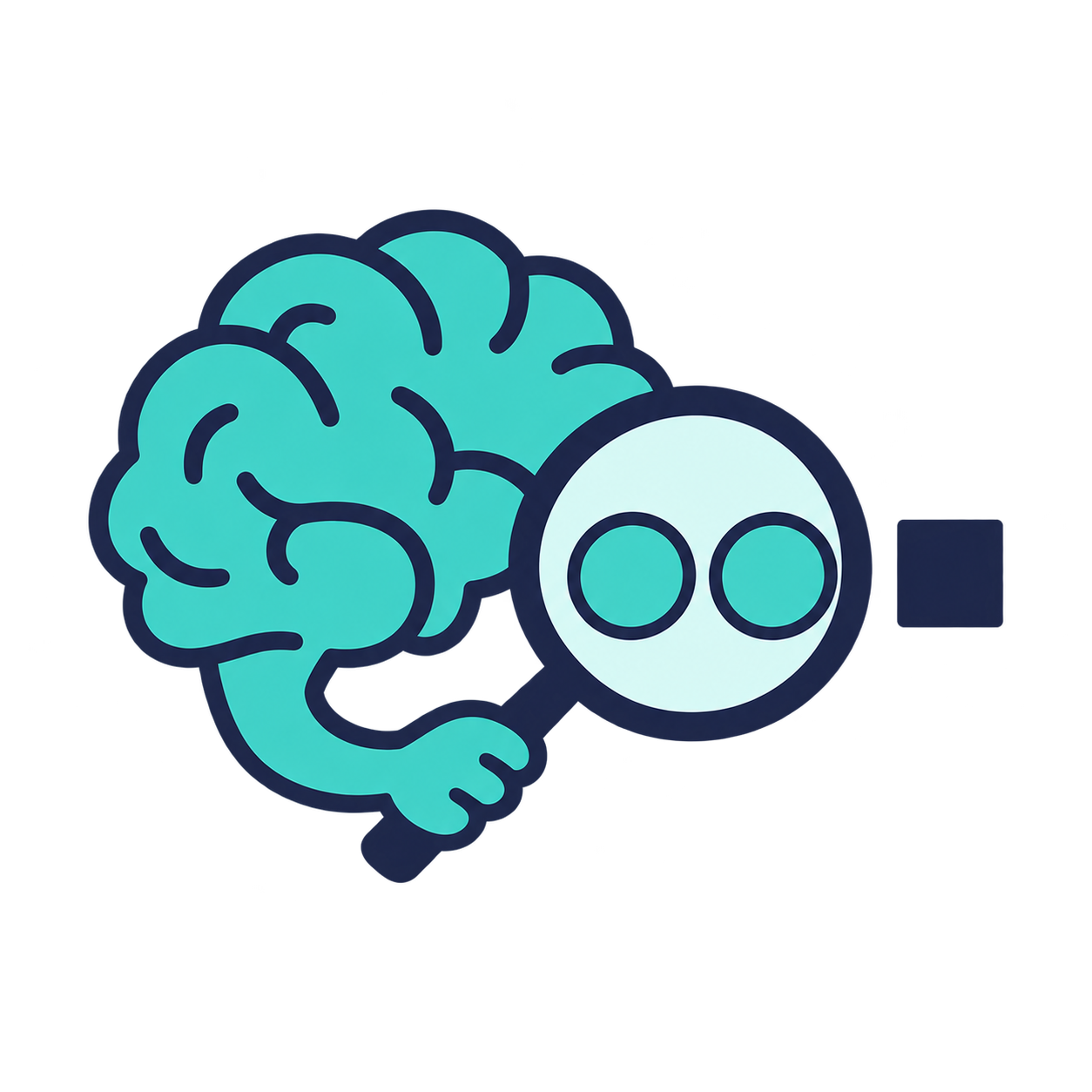
Artificial intelligence, or AI, is the broad term for software that performs tasks such as recognising patterns, understanding language and making predictions. Rather than needing a person to write a rule for every possible situation, many AI systems learn patterns from examples and use them to produce an answer or recommendation.
For example, a bakery could use past sales, days of the week and weather information to estimate how much bread to bake tomorrow. The benefit is a better starting point for planning—not a guarantee. If there is a street festival the system does not know about, the owner still needs to adjust the order.
 What is Generative AI?
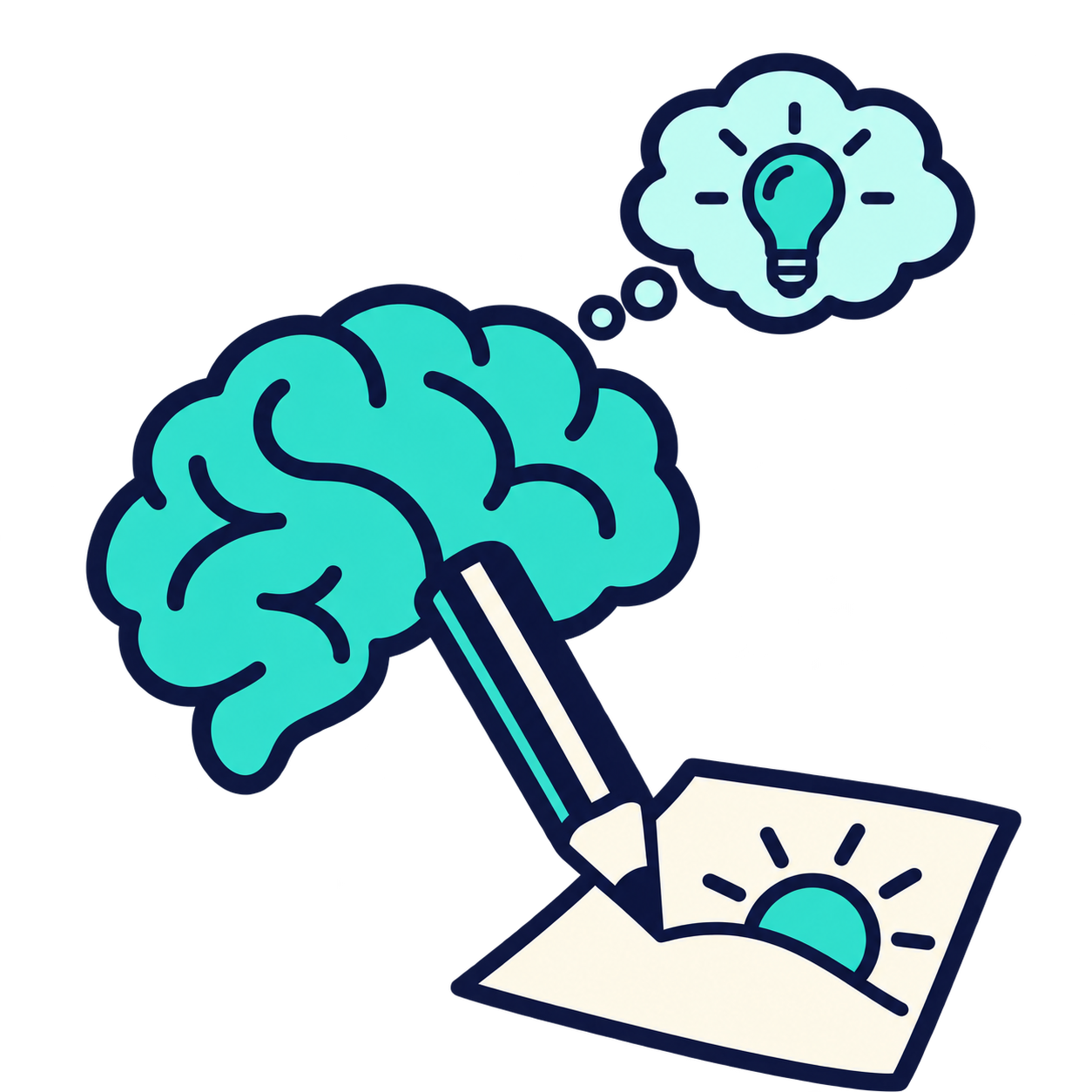
Generative AI is a type of AI that creates content, such as text, images, audio or video, in response to your instructions. Tools such as ChatGPT, Claude and Gemini can help draft replies, summarise notes or explain information in simpler language.
For the same bakery, it could turn the details of a catering enquiry into a draft proposal. You supply the menu, quantities, prices and delivery conditions; it helps put them into clear wording. Better information usually gives you a more useful draft.
Creating a draft is not the same as completing the job. Unless the tool has been given the right connections and permissions, it has not checked your stock, reserved a delivery time or sent the proposal. Check its facts and figures: Generative AI can produce confident-sounding mistakes.
 What is Agentic AI?
Agentic AI uses AI and connected tools to work through steps towards a goal. An AI agent is the software carrying out that work. Instead of only giving you an answer or a draft, it can choose a next step, use an authorised tool and respond to the result.
For the bakery, an agent could collect missing catering details, check a connected booking calendar, offer an available delivery time and record the confirmed booking. If the order is unusually large or the request is unclear, it should hand it to the owner rather than guess.
These capabilities need to be connected, configured and tested; they are not automatic features of every AI tool. You decide which information the agent can access, what it can change and which actions need your approval. An agent might use Generative AI to write a reply, so these categories can work together.
How is that different from automation?
Ordinary automation follows agreed rules: when this happens, do that. Once the bakery confirms a delivery, a system could send a reminder the day before. That does not need AI. Agentic AI can work through less predictable steps, but still needs clear limits. Use the simplest option that does the job reliably.
The difference in one minute
AI is the umbrella term: it can recognise patterns and make predictions. Generative AI creates content. Agentic AI works through tasks using connected tools. Automation follows set rules. A single business process may combine all four—none of these labels, by itself, tells you whether a product is right for you.
Based on the first episode of AI in Small Business Australia, hosted by Kate Klease, with explanations and illustrations from the Klyse AI Business Guide.
To learn more, listen to the podcast.